What If We Fixed Almost Everything About Aging… Except DNA Mutations?
Hey folks, imagine this: Scientists wave a magic wand and poof! No more telomere shortening, no rogue senescent cells zombie-ing around, no mitochondrial meltdowns. We cure most causes of aging. How long could we live then?
According to a fascinating new study from researchers at Skolkovo Institute in Moscow (just out on bioRxiv in late November 2025), the answer might be… around 150 years on average. Double today’s lifespan in rich countries! But there’s a catch—these random DNA glitches called somatic mutations would still slowly wreck our cells, especially in the brain and heart. It’s like entropy saying, “Nice try, humans, but I’m still the boss.”
Let’s break this down in a fun, easy way—no heavy math required. Think of it as a video game where aging is the final boss, and mutations are that one unbeatable glitch. 0 “LARGE” 1 “LARGE”
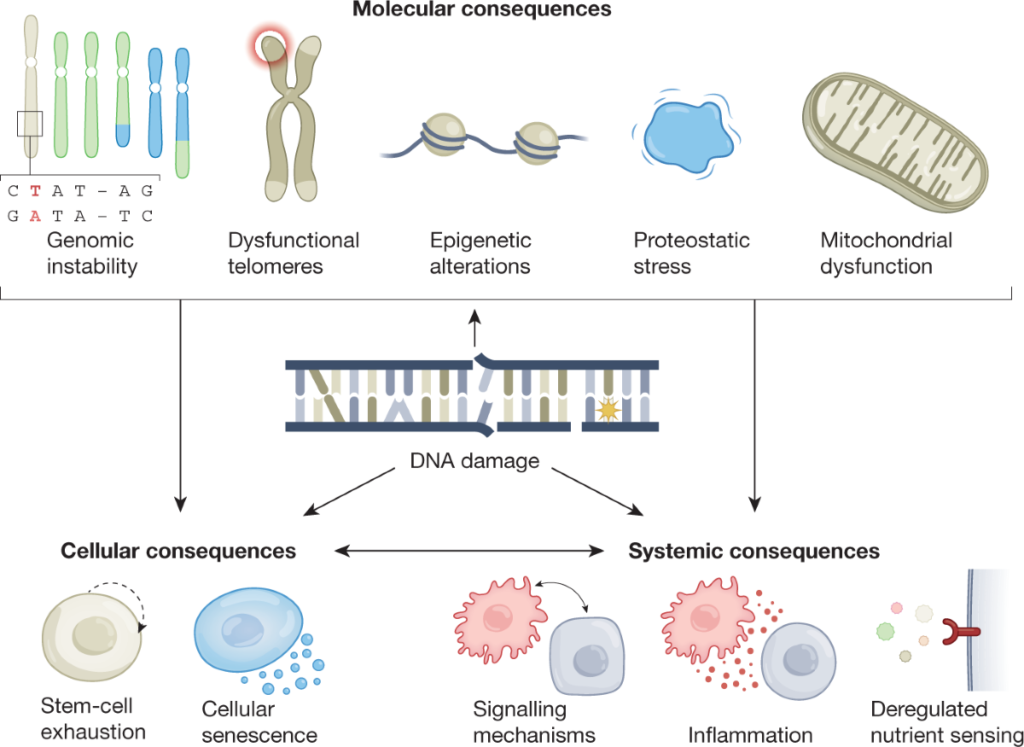
(Cool illustrations of DNA damage piling up over time—those little errors in your cells’ instruction manual that happen just from living.)
Why Mutations Are the Tough Guy of Aging
Your DNA is like the blueprint for your body. Every time cells copy it (or just from wear and tear), tiny mistakes creep in. These are somatic mutations—not the inherited kind, but ones that build up in your body cells over your lifetime.
Some aging problems we might fix someday (like clearing junky cells). But mutations? They’re random chaos—pure disorder (scientists call it “entropy”). Hard to reverse without rewriting your entire genome.
The researchers asked: If mutations were the only aging villain left, how long before they take us down?
They built clever computer models of the human body, treating it like a machine with vital parts: brain, heart, liver, lungs. If one critical part fails… game over. 7 “LARGE” 8 “LARGE”
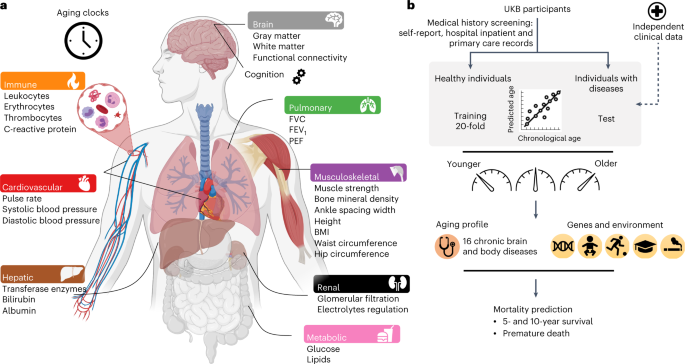
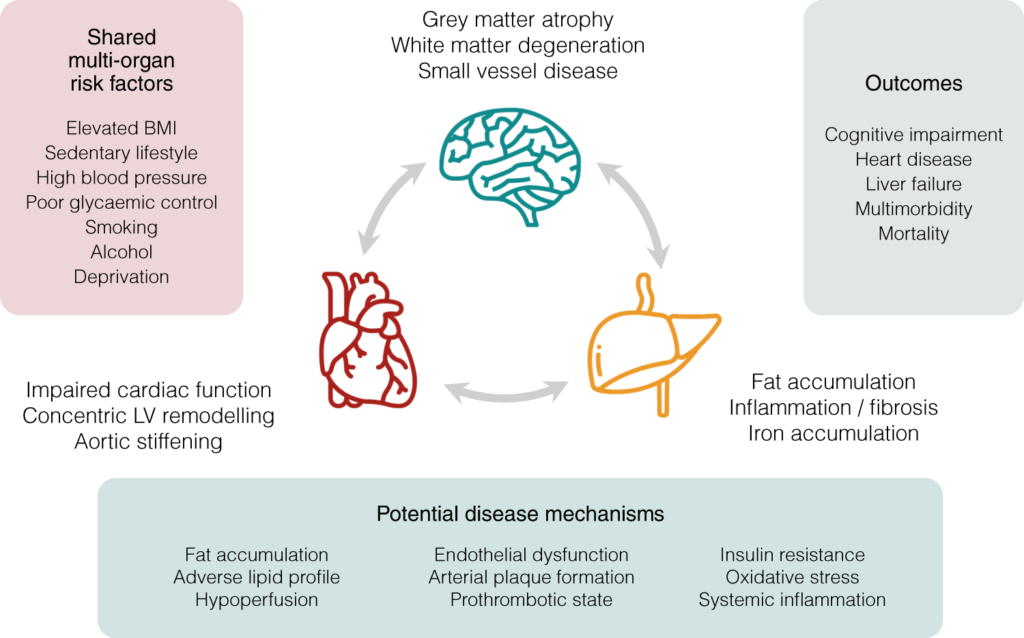
(Visuals showing how different organs age at different rates—brain and heart are the weak links!)
The “No Aging” Cheat Code: Crazy Long Lives
First, they imagined zero aging at all—just normal risks like accidents. If your death risk stayed frozen at a healthy 30-year-old’s level?
Average lifespan: 430 years. One super-lucky person in billions might hit 14,000 years! (Still not immortal—cars and bad luck exist.) 9 “LARGE” 10 “LARGE”
(Survival curves: Normal aging drops fast after 100. No aging? A gentle slope forever.)
Enter the Mutation Monster
Now add mutations. In brain and heart cells (which don’t divide and replace themselves), errors kill cells slowly. Too many dead neurons or heart cells? Organ failure.
Result: Average lifespan crashes to 169-177 years (brain or heart as the limiter).
But wait—liver and lungs are pros at regenerating! They make new cells to replace damaged ones, so mutations barely slow them down. These organs could last thousands of years.
The big reveal: Your brain and heart are the bottlenecks. They’re like vintage cars with irreplaceable parts.
The Grand Finale: Multi-Organ Showdown
Combining everything, the models predict we’d live 134-170 years on average if mutations were the only problem. That’s huge progress—healthy until 150? Sign me up!
But it also means mutations are a major aging driver (maybe half the battle), and other stuff contributes the rest.
Why This Is Awesome (and a Bit Scary)
This paper is like a roadmap for longevity hunters. It says: Fixing the “reversible” aging stuff could buy us decades more. But to go further, we need breakthroughs against mutations—maybe better DNA repair or protecting key cells.
It’s optimistic yet realistic. We’re not hitting 1,000 years soon, but 150? That could be the prize for the next generation of anti-aging tech.
What do you think—would you want to live to 150 if it meant staying sharp and active? Hit the comments!
Check the full paper here: bioRxiv DOI: 10.1101/2025.11.23.689982. Super readable abstract, and the figures are gold.
Stay young at heart (literally)! 🧬✨