Unlocking the Secrets of Slowing Down Aging: What a New Study Reveals About amino acids and Longevity
Hey there, fellow health enthusiasts! If you’re like me, you’re always on the lookout for science-backed ways to stay youthful, energetic, and healthy as the years tick by. Well, buckle up because a fascinating new study published in Biogerontology (2026) has just dropped some game-changing insights. Titled “Association of Plasma Metabolites with Epigenetic Age Acceleration: A Two-Sample Mendelian Randomization Study,” it dives into how certain chemicals in your blood—called plasma metabolites—might be speeding up (or slowing down) your body’s internal aging clock.
In this blog post, I’ll break it all down in simple terms—no PhD required. We’ll cover what the study found, why it matters, and most importantly, a bunch of actionable steps you can take right now to potentially tweak these metabolites for a longer, healthier life. Think of it as your practical guide to hacking aging through diet, supplements, and lifestyle tweaks. Let’s get into it!
What’s This Study All About? A Quick Primer on Epigenetic Aging
First things first: Aging isn’t just about wrinkles or gray hair. Your “chronological age” is how many birthdays you’ve had, but your “biological age” is how old your cells and body systems really feel. The study focuses on something called epigenetic age acceleration (EAA), which measures how fast your DNA is picking up chemical tags (epigenetic changes) that make you age quicker biologically. Faster EAA is linked to higher risks of diseases like heart disease, cancer, and even a shorter lifespan.
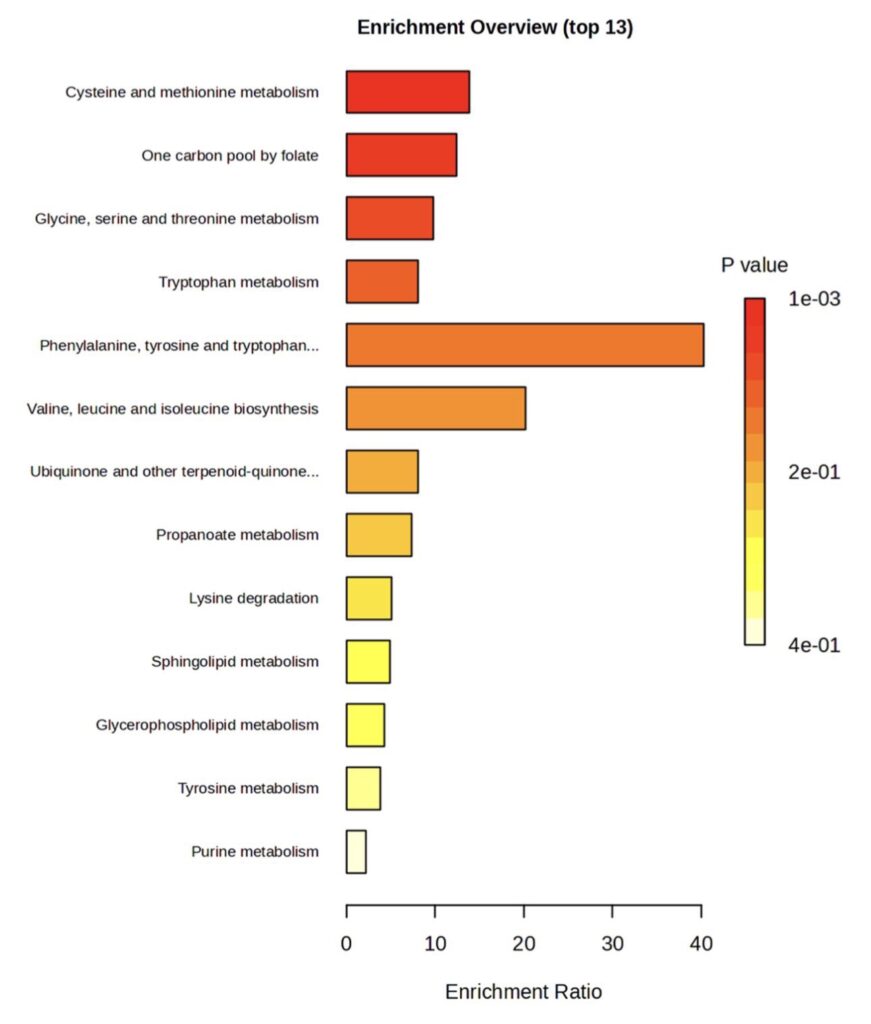
A key highlight? They grouped these metabolites into 13 “metabolic pathways” (think of them as biological assembly lines). The top one was cysteine and methionine metabolism, which emerged as a potential master switch for aging. Other pathways like one-carbon metabolism and tryptophan breakdown also popped up. This isn’t just correlation—the genetic approach suggests these could cause faster aging.
David Sinclair, the renowned longevity expert from Harvard, even shared a figure from the study on X (formerly Twitter) in December 2025, calling out cysteine and methionine as the most significant. The chart shows these pathways ranked by how “enriched” they are in aging-related metabolites, with red bars for the strongest links. Why care? Because tweaking these pathways through everyday habits could help you dial back your biological clock.
The Star Pathway: Cysteine and Methionine Metabolism
This pathway is like a factory handling two key amino acids: methionine (from foods like meat and eggs) and cysteine (which your body makes or gets from diet). It’s crucial for detoxing, making energy, and adding those epigenetic tags to DNA. The study found three metabolites here—methionine, 5-methylthioadenosine, and α-ketobutyrate—tied to faster EAA.
Why it accelerates aging: High methionine levels can lead to excess “methyl groups” messing with DNA, causing inflammation and oxidative stress. In animal studies, cutting methionine extends lifespan by up to 30%! On the flip side, boosting cysteine (via antioxidants like glutathione) might protect against this.
Actionable steps? We’ll cover them below, but the gist is: Restrict methionine without going overboard, and support cysteine for balance.
Other Key Pathways to Watch (and Modulate)
The study didn’t stop at one pathway—13 in total were linked to EAA. While cysteine/methionine is #1, others like one-carbon metabolism (involving folate) and tryptophan metabolism (linked to brain health) are close behind. These often overlap, so addressing one can help others.
- One Carbon Pool by Folate: Handles vitamin B9 for DNA tweaks; excess can imbalance epigenetics.
- Glycine, Serine, and Threonine Metabolism: Supports protein building and detox; low glycine speeds aging.
- Tryptophan Metabolism: Breaks down into inflammatory compounds; high activity worsens neurodegeneration.
- Phenylalanine, Tyrosine, and Tryptophan Biosynthesis: Affects mood chemicals; imbalances shorten lifespan.
- Valine, Leucine, and Isoleucine Biosynthesis: Branched-chain amino acids (BCAAs) that, when too high, promote frailty.
- Lower-ranked ones like sphingolipid metabolism (cell signaling) and purine metabolism (DNA building blocks) suggest avoiding excess fats and monitoring inflammation.
Why modulate these? Dysregulation fuels chronic issues like insulin resistance and cognitive decline. Studies show restricting or balancing them mimics anti-aging diets like fasting.
Your Action Plan: 15+ Steps to Slow Epigenetic Aging
Now for the fun part—practical, do-it-today steps! These are based on the study’s findings, combined with supporting research on longevity. I’ve grouped them by category, with reasons why they work and tips to get started. Remember, these are general suggestions; track your progress with blood tests (e.g., for homocysteine or epigenetic age via kits like TruAge) and chat with a doctor or nutritionist.
Diet Tweaks for Methionine and Amino Acid Restriction
- Cut Back on High-Methionine Foods: Limit red meat, eggs, dairy, and poultry to 1-2 servings per week. Why? Excess methionine from animal proteins accelerates EAA by disrupting DNA methylation. Action: Swap for plant-based options like beans or tofu—aim for under 1g methionine daily (use an app like Cronometer to track).
- Go More Plant-Based Overall: Build meals around veggies, fruits, grains, and legumes. Why? Plants are naturally low in methionine and BCAAs, mimicking longevity diets that slow aging in humans and animals. Action: Try a “Meatless Monday” expanded to most days; recipes like lentil soup or veggie stir-fries are easy wins.
- Restrict BCAAs (Valine, Leucine, Isoleucine): Cap whey protein shakes, eggs, and meat—target 10-15g total BCAAs daily. Why? High BCAAs link to obesity and shorter lifespan; restriction extends life in models. Action: Opt for low-BCAA proteins like rice or peas; avoid BCAA supplements unless you’re an athlete.
- Limit Tryptophan-Rich Foods: Moderate turkey, bananas, and dairy. Why? Overactive tryptophan metabolism produces inflammatory kynurenine, speeding brain aging. Action: Balance with anti-inflammatory foods like salmon (for omega-3s) once a week.
- Reduce Phenylalanine and Tyrosine Intake: Cut back on cheese, soy, and almonds. Why? High levels disrupt neurotransmitter balance, contributing to cognitive decline. Action: Choose alternatives like oats or fruits; keep portions small.
Supplements to Support Key Pathways
- Take N-Acetylcysteine (NAC): Start with 600-1200mg daily, split into doses. Why? Boosts cysteine for antioxidant protection, countering methionine’s aging effects. Action: Buy from a reputable brand; pair with meals to avoid stomach upset.
- Add Glycine Supplements: 3-5g daily, perhaps in powder form. Why? Balances glycine/serine/threonine pathways, mimicking restriction and aiding methylation. Action: Mix into tea or smoothies; sources like bone broth work too.
- Incorporate Folate and B Vitamins: 400mcg folate plus B6 (10-50mg), B12 (500mcg), and B2 daily. Why? Optimizes one-carbon metabolism, lowering homocysteine and EAA. Action: Eat folate-rich greens or take a B-complex; get levels tested first.
- Consider CoQ10 for Ubiquinone Pathway: 100-200mg daily. Why? Supports mitochondrial energy; deficiencies worsen with age, per the study’s lower pathways. Action: Take with fatty meals for better absorption.
Lifestyle Habits to Amplify Benefits
- Practice Intermittent Fasting: Fast 12-16 hours daily (e.g., eat between 10 AM-6 PM). Why? Synergizes with amino acid restriction, reducing oxidative stress and promoting longevity. Action: Start slow; hydrate during fasts.
- Monitor Homocysteine Levels: Get a blood test every 6 months. Why? High homocysteine (from methionine) accelerates aging; keeping it under 10 µmol/L protects epigenetics. Action: If high, amp up B vitamins.
- Exercise Regularly: Mix cardio and strength training 3-5 days a week. Why? Influences amino acid metabolism, balancing pathways like tryptophan and reducing EAA. Action: Walk 30 minutes daily plus weights; it also lowers inflammation.
- Manage Stress with Meditation: 10-20 minutes daily. Why? Stress disrupts one-carbon pathways; mindfulness slows epigenetic aging. Action: Use apps like Headspace.
- Avoid Excess Saturated Fats: Limit butter and fried foods. Why? Ties into lipid pathways like sphingolipids, which fuel inflammation when overactive. Action: Choose olive oil or avocados instead.
- Explore Advanced Options: Try methionine-low meal replacements or consult a pro for personalized plans. Why? For those wanting precision, these target the core pathway without guesswork. Action: Look into apps or books like Sinclair’s Lifespan for more.
Wrapping It Up: Your Path to a Younger You
This study is a reminder that aging isn’t inevitable—we can influence it through smart choices targeting metabolites and pathways. By focusing on methionine restriction, pathway support, and healthy habits, you might not just add years to your life but life to your years. Start with 2-3 steps that fit your routine, track how you feel, and adjust. Remember, results vary, so professional advice is key to avoid deficiencies.
What do you think—ready to give methionine restriction a shot? Drop a comment below if you’ve tried any of these or have questions. Stay youthful, friends!
Disclaimer: This isn’t medical advice. Consult healthcare pros before major changes.